
Florida's Proposed Homestead Tax Changes: What Homeowners Should Know
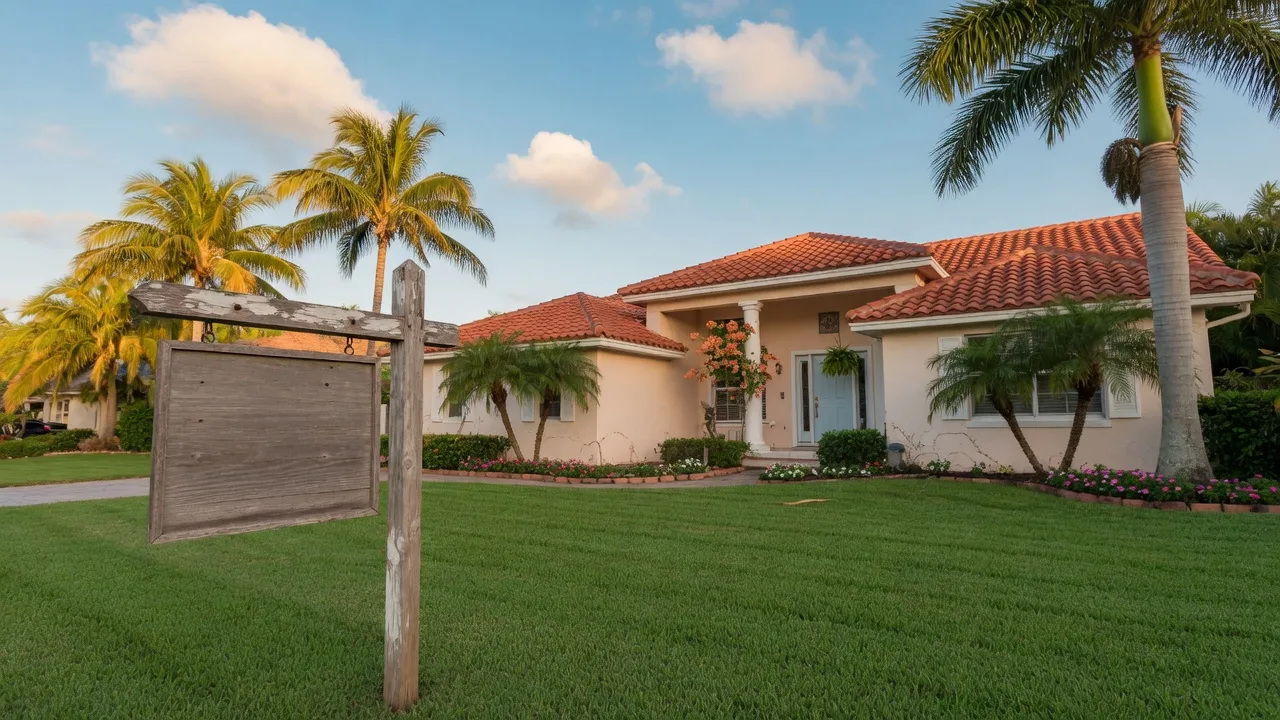
Property taxes have become a growing concern for many Florida homeowners as property values and the cost of local government services continue to rise. In response, Florida lawmakers have proposed a constitutional amendment that could significantly change how homesteaded properties are taxed.
The proposal will appear on the November 2026 ballot, giving Florida voters the opportunity to decide whether these changes should become law.
What's Being Proposed?
If approved by at least 60% of Florida voters, the amendment would gradually increase the Homestead Exemption for primary residences.
The proposal includes:
- Increasing the Homestead Exemption to $150,000 beginning in 2027 (excluding school taxes).
- Increasing the exemption to $250,000 beginning in 2028 (excluding school taxes).
- Adjusting those exemption amounts for inflation beginning in 2029.
- Creating residency requirements for new Florida residents who establish homestead after January 1, 2027. Those homeowners would initially qualify for a smaller exemption before becoming eligible for the larger one after meeting the residency requirement.
- Reducing the annual assessment increase cap on many non-homestead properties from 10% to 5%.
Potential Benefits
Supporters believe the proposal could:
- Reduce property tax bills for many Florida homeowners.
- Help make homeownership more affordable.
- Provide long-term tax relief for families who have experienced rapidly increasing property taxes.
Questions Being Raised
Others have pointed out that property taxes fund many essential local services, including:
- Police and fire protection
- Public schools
- Roads and bridges
- Parks and recreation
- Libraries
- Emergency services
- Local government operations
Because of this, some local officials have raised questions about how these services would continue to be funded if property tax revenues are significantly reduced.
Some possibilities discussed include:
- Adjusting local tax rates.
- Increasing other sources of revenue, such as sales taxes or fees.
- Reducing local government spending.
- A combination of these approaches.
The exact financial impact would likely vary from one Florida community to another.
What Does This Mean for Homeowners?
If the amendment passes, many homeowners who qualify for Florida's Homestead Exemption could see lower property taxes over time. However, the long-term effects on local government funding and other taxes will depend on how future legislation is written and how local governments respond.
As with any constitutional amendment, it's important to review the proposal carefully before voting and understand how it may affect both homeowners and the communities where we live.
Have Questions?
Whether you're already a homeowner or thinking about purchasing a home in Florida, I'm always happy to help explain how Florida's Homestead Exemption works and discuss how proposed changes may affect you.